Dental veneers are a popular cosmetic dentistry option for people who want to improve the appearance of their smile. They can help address several concerns, including discoloration, small chips, uneven tooth shapes, and minor spacing issues.
If you’re considering veneers, understanding how they work, what they can improve, and what the treatment involves can help you decide whether they may be right for you.
At Smileworld Family Dental, cosmetic treatment is personalized to each patient’s smile, oral health, and goals.
What Are Dental Veneers?
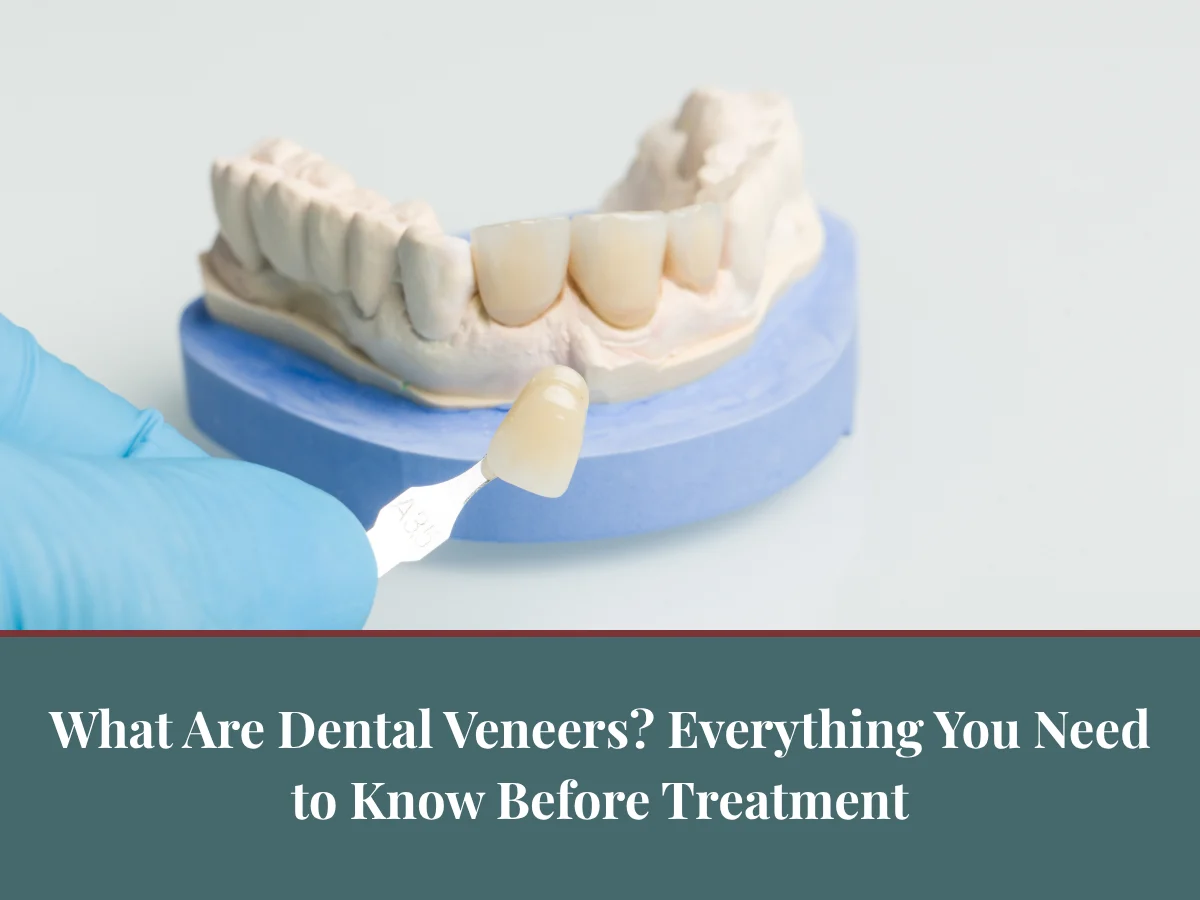
Dental veneers are thin, custom-made shells that are placed over the front surface of teeth to improve their appearance.
They are designed to blend naturally with surrounding teeth and may be used to improve tooth color, shape, size, or overall symmetry.
Veneers are commonly made from porcelain or tooth-colored composite material, depending on the treatment plan.
What Can Dental Veneers Improve?
Veneers can address several cosmetic concerns.
They may be recommended for teeth that are:
- Discolored or resistant to whitening
- Chipped or slightly cracked
- Unevenly shaped
- Smaller than surrounding teeth
- Worn down
- Separated by small gaps
- Slightly misaligned
- Irregular in appearance
The best treatment depends on the condition of your teeth and the type of improvement you want to achieve.
What Types of Dental Veneers Are Available?
There are different types of veneers, and each option has its own advantages.
Porcelain Veneers
Porcelain veneers are custom-made restorations designed to closely resemble natural tooth enamel.
They are known for their natural appearance and resistance to staining. Porcelain veneers typically require some preparation of the tooth before placement.
Composite Veneers
Composite veneers use tooth-colored resin that is applied and shaped directly on the tooth.
They may require less tooth preparation and can sometimes be completed more quickly than porcelain veneers.
Your dentist can explain which material is more appropriate based on your smile goals and oral health.
How Does the Dental Veneer Process Work?
The veneer process usually involves several steps.
Initial Consultation
Your dentist will examine your teeth and gums, discuss your cosmetic concerns, and determine whether veneers are appropriate for your smile.
Treatment Planning
Your dentist will consider factors such as:
- Tooth color
- Tooth shape
- Smile proportions
- Bite
- Overall oral health
This helps create a personalized treatment plan.
Tooth Preparation
For some types of veneers, a small amount of enamel may be removed from the front of the tooth to create space for the veneer.
The amount of preparation varies depending on the type of veneer and your individual needs.
Impressions or Digital Scans
Your dentist may take impressions or digital scans of your teeth so the veneers can be designed to fit accurately and complement your smile.
Veneer Placement
Once the veneers are ready, your dentist will check their fit, shape, and appearance before bonding them securely to your teeth.
Final adjustments may be made to help ensure your bite feels comfortable.
Do Dental Veneers Look Natural?
Well-designed veneers are created to closely resemble natural teeth.
Factors such as color, translucency, shape, and proportion are considered so the veneers blend with your smile.
A personalized approach helps avoid an overly uniform or artificial appearance.
Who Is a Good Candidate for Dental Veneers?
Veneers may be a good option if you:
- Have healthy teeth and gums
- Want to improve cosmetic imperfections
- Have enough healthy enamel for treatment
- Maintain good oral hygiene
- Have realistic expectations about the results
Certain dental problems may need to be treated before veneers are placed.
When Might Veneers Not Be Recommended?
Veneers may not be appropriate for every patient.
Your dentist may recommend another treatment if you have:
- Untreated cavities
- Active gum disease
- Significant enamel loss
- Severe tooth damage
- Major bite problems
- Heavy teeth grinding or clenching
In these situations, restorative or orthodontic treatment may be recommended first.
Do Veneers Damage Your Natural Teeth?
Veneer treatment may require removing a small amount of enamel, particularly with traditional porcelain veneers.
Because enamel does not grow back, this makes the treatment generally irreversible.
Your dentist will explain how much preparation is necessary and whether another cosmetic treatment may be more conservative for your specific needs.
How Long Do Dental Veneers Last?
The lifespan of veneers varies depending on the material used, your oral hygiene, bite, and lifestyle habits.
With proper care, veneers can last for many years.
Regular dental checkups allow your dentist to monitor their condition and address any concerns early.
How Do You Care for Dental Veneers?
Veneers don’t require a complicated maintenance routine.
To protect your smile:
- Brush twice a day with fluoride toothpaste.
- Floss daily.
- Attend regular dental checkups.
- Avoid biting hard objects such as ice or pens.
- Do not use your teeth to open packages.
- Wear a mouthguard during contact sports.
- Ask about a nightguard if you grind your teeth.
These habits can help protect both your veneers and your natural teeth.
Can Dental Veneers Stain?
Porcelain veneers are generally more resistant to staining than natural teeth.
However, the natural teeth surrounding your veneers can still become discolored over time.
Maintaining good oral hygiene and limiting highly pigmented foods, drinks, and tobacco products can help keep your overall smile looking consistent.
Dental Veneers vs. Teeth Whitening: Which Is Better?
The right treatment depends on what you want to improve.
Teeth whitening is designed primarily to brighten natural tooth color, while veneers can change several aspects of a tooth’s appearance, including:
- Color
- Shape
- Size
- Minor spacing
- Small chips
If discoloration is your only concern, whitening may be a more conservative option.
Dental Veneers vs. Crowns: What’s the Difference?
Veneers typically cover only the front surface of a tooth and are mainly used for cosmetic improvement.
Crowns cover most or all of the visible tooth and are often recommended when a tooth needs additional strength or protection.
Your dentist will recommend the option that best matches the condition of your tooth.
Why Choose Smileworld Family Dental for Cosmetic Dentistry?
At Smileworld Family Dental, we take a personalized approach to cosmetic dental care. We consider your oral health, smile goals, and treatment preferences before recommending veneers or another cosmetic option.
Our goal is to help you achieve a natural-looking smile while preserving the health and function of your teeth.