If you’re considering orthodontic treatment, one of the biggest decisions you’ll make is choosing between Invisalign and traditional braces. Both options are designed to straighten teeth, improve bite alignment, and enhance your smile, but they work in different ways and offer unique advantages.
At Smileworld Family Dental, we understand that every smile is different. The right treatment depends on your dental needs, lifestyle, and personal preferences. Learning how Invisalign and traditional braces compare can help you make an informed decision during your consultation.
What Is Invisalign?
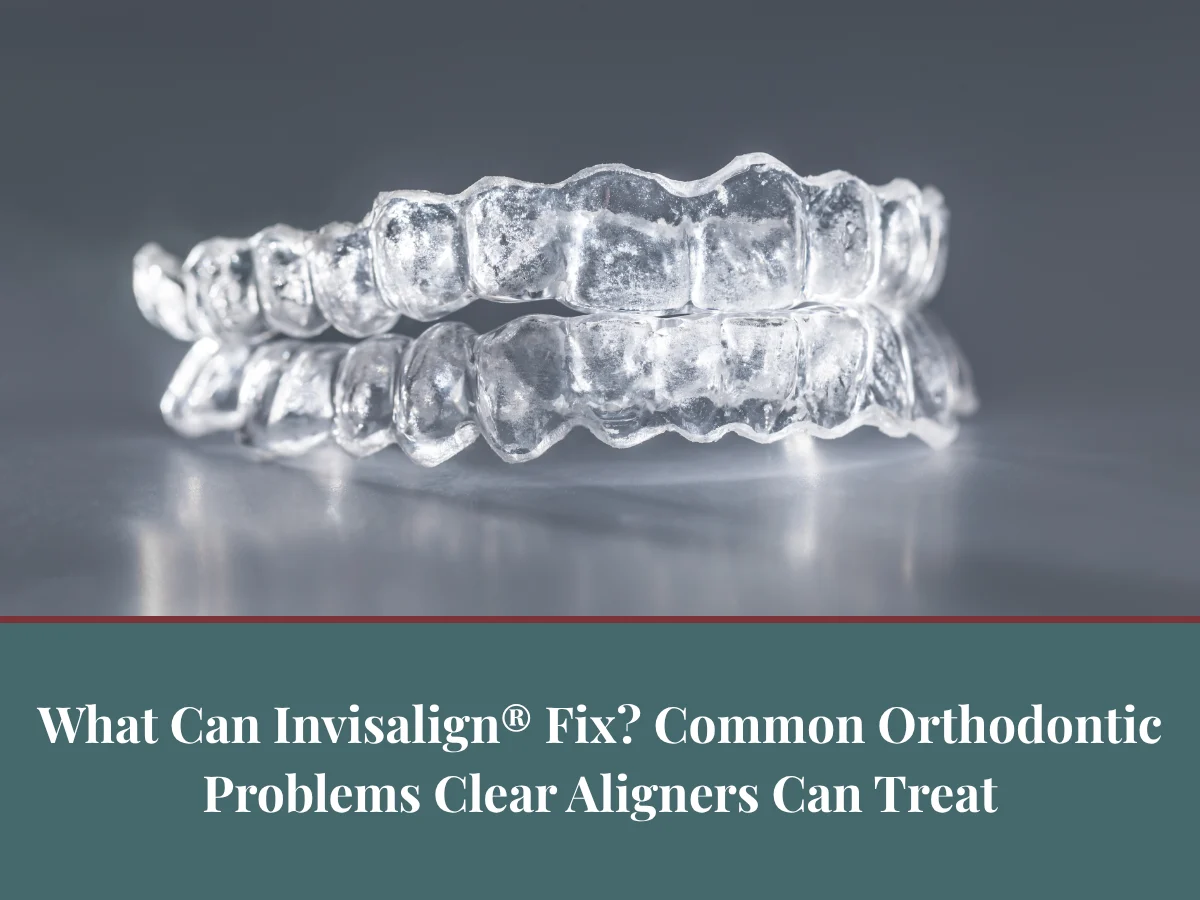
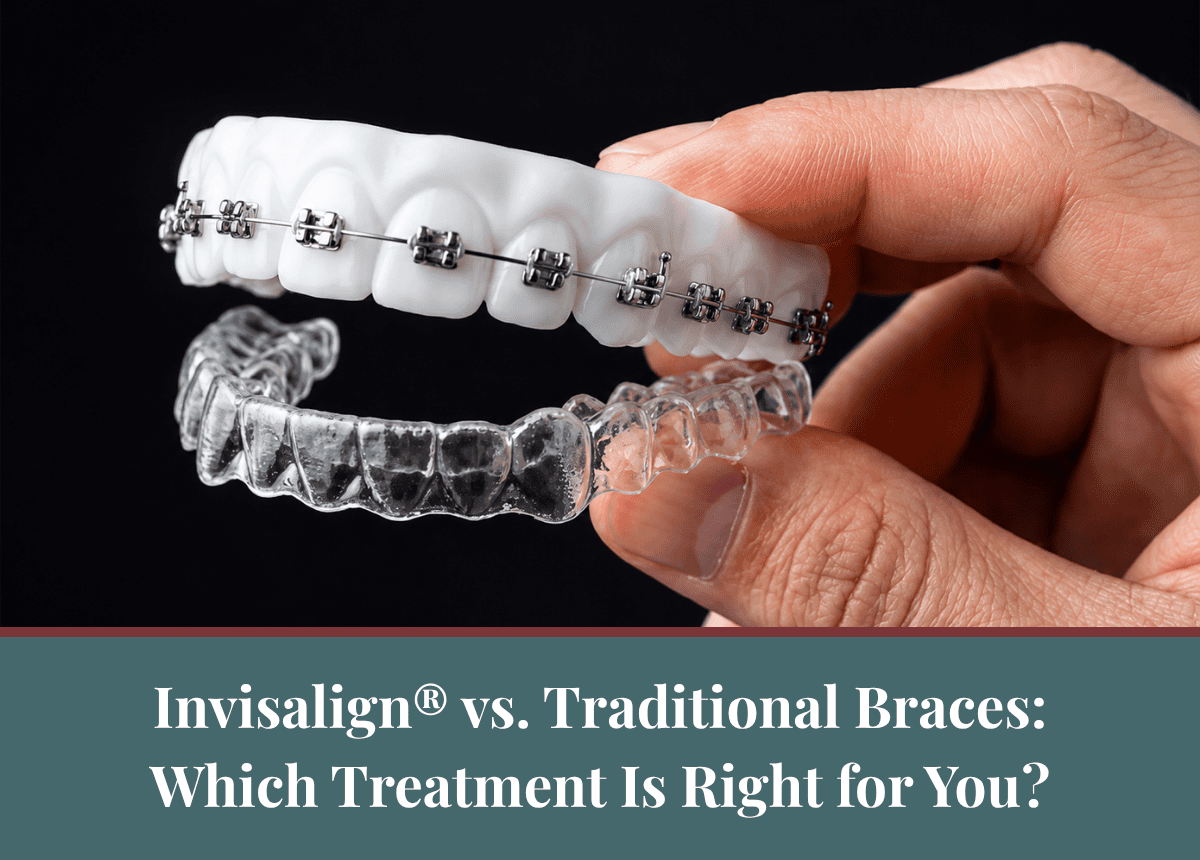
Invisalign is a clear aligner system that uses a series of custom-made, removable trays to gradually move your teeth into their desired positions.
Each aligner is worn for about one to two weeks before progressing to the next set. The aligners are made from smooth, transparent plastic, making them a popular choice for patients looking for a more discreet orthodontic treatment.
What Are Traditional Braces?
Traditional braces use metal brackets that are bonded to the teeth and connected by wires. Throughout treatment, your dentist or orthodontist adjusts the wires to gradually move your teeth into proper alignment.
Modern braces are smaller and more comfortable than they were in the past, making them an effective treatment option for many orthodontic concerns.
Invisalign vs. Traditional Braces
While both treatments can produce excellent results, they differ in several important ways.
Appearance
One of the biggest differences is visibility.
Invisalign aligners are clear and fit closely over your teeth, making them much less noticeable than traditional metal braces. Many teens and adults choose Invisalign because it allows them to straighten their teeth without drawing attention to their treatment.
Traditional braces are more visible because the brackets and wires remain attached to the teeth throughout treatment.
Comfort
Invisalign aligners are made from smooth plastic, reducing the likelihood of irritation to the cheeks and lips.
Braces may cause some discomfort after adjustments, and the brackets or wires can occasionally irritate the inside of the mouth.
Both treatments may cause mild pressure as the teeth gradually move, which is a normal part of the orthodontic process.
Eating and Drinking
One advantage of Invisalign is that the aligners are removable.
Patients remove them before eating or drinking anything other than water, allowing them to continue enjoying most of their favorite foods.
With traditional braces, certain hard, sticky, or chewy foods should be avoided because they can damage brackets or wires.
Oral Hygiene
Maintaining good oral hygiene is generally easier with Invisalign because you can remove the aligners before brushing and flossing.
Patients with braces need to clean carefully around brackets and wires, which may require additional brushing tools or flossing aids.
Treatment Time
Treatment length varies depending on the complexity of each case.
Many Invisalign treatments are completed within 12 to 18 months, while traditional braces may require a similar amount of time or longer for more complex orthodontic issues.
Your dentist will provide a personalized estimate after evaluating your smile.
Which Orthodontic Problems Can Each Treatment Correct?
Both Invisalign and traditional braces can address many common orthodontic concerns, including:
- Crowded teeth
- Gaps between teeth
- Overbite
- Underbite
- Crossbite
- Open bite
- Crooked teeth
For more complex bite or alignment issues, traditional braces may sometimes be the more appropriate treatment option.
A comprehensive evaluation is the best way to determine which solution is right for your individual needs.
Who Is a Good Candidate for Invisalign?
Invisalign may be a good choice if you:
- Want a discreet orthodontic treatment
- Have mild to moderate alignment concerns
- Can wear aligners for 20 to 22 hours each day
- Prefer removable appliances for eating and oral hygiene
- Are committed to following your treatment plan
Because Invisalign relies on patient compliance, wearing the aligners consistently is essential for achieving the desired results.
Who May Benefit More from Traditional Braces?
Traditional braces may be recommended for patients who:
- Have more complex orthodontic concerns
- Require significant bite correction
- Prefer a treatment that doesn’t rely on removable appliances
- May have difficulty wearing aligners consistently
Your dentist will recommend the treatment that offers the most predictable outcome for your smile.
Factors to Consider When Choosing Between Invisalign and Braces
Before beginning orthodontic treatment, it’s helpful to consider several factors.
Your Lifestyle
If you regularly attend social events, give presentations, or simply prefer a less noticeable treatment, Invisalign may better fit your lifestyle.
Your Commitment
Because Invisalign aligners are removable, they must be worn consistently to work effectively.
Patients who frequently forget to wear their aligners may achieve better results with traditional braces.
Your Orthodontic Needs
Every smile is unique. Some cases can be successfully treated with either option, while others may respond better to one treatment than the other.
A professional consultation is the best way to determine which approach is appropriate.
Why Choose Smileworld Family Dental for Invisalign?
At Smileworld Family Dental, we take a personalized approach to orthodontic care. During your consultation, we’ll evaluate your teeth, discuss your smile goals, and explain your treatment options so you can choose the solution that best fits your needs.
Whether Invisalign or traditional braces is the better option for your situation, our team is committed to helping you achieve a healthy, confident smile with compassionate, patient-centered care.