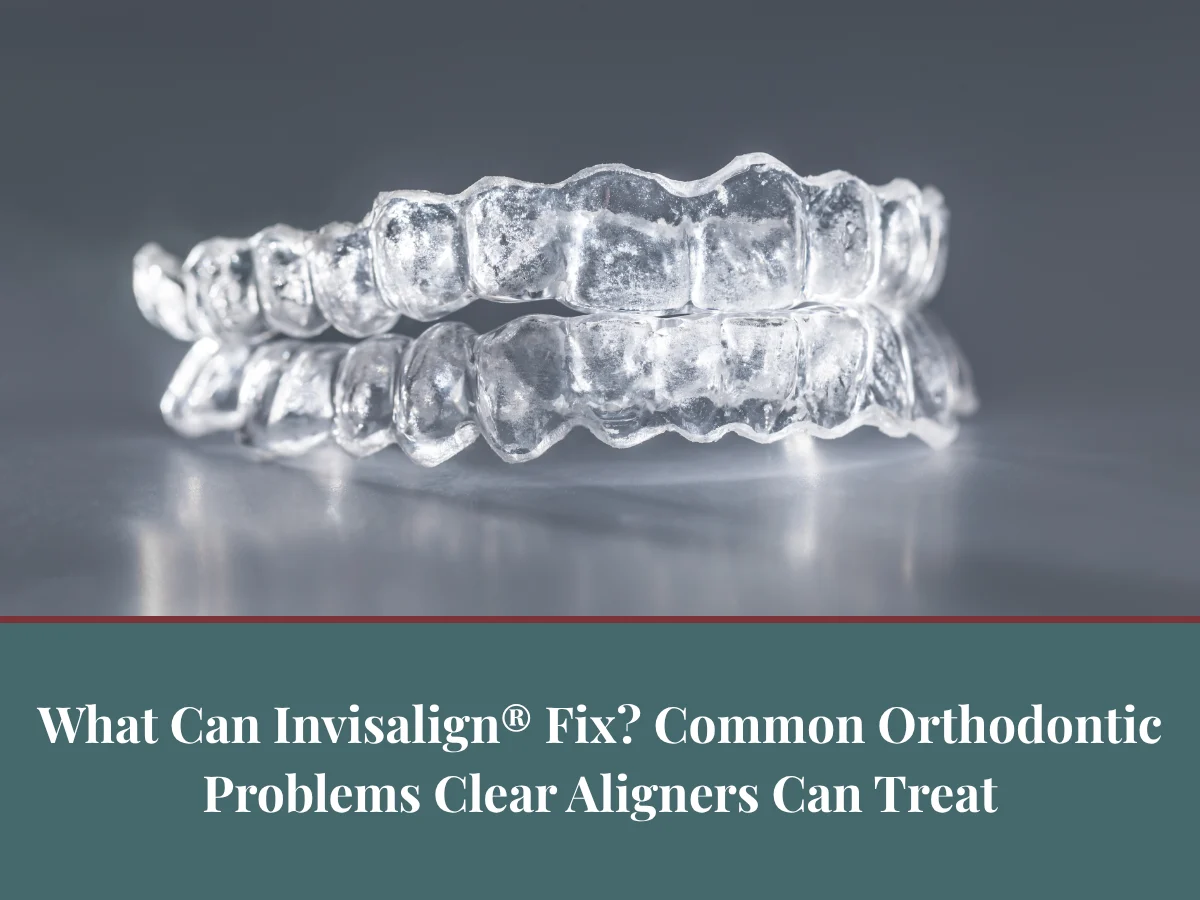
If you’re considering Invisalign®, one of the first questions you may have is how long treatment will take. While clear aligners can be a convenient and discreet way to straighten your teeth, the timeline varies from person to person.
At Smileworld Family Dental, Invisalign treatment is customized to your unique smile. The amount of movement your teeth need, the complexity of your bite, and how consistently you wear your aligners can all affect how long your treatment lasts.
How Long Does Invisalign® Usually Take?
Invisalign treatment often takes about 12 to 18 months, but some patients may finish sooner while others may need more time.
Mild alignment concerns may be corrected in several months, while more complex cases can require a longer treatment period.
Your dentist can provide a more accurate estimate after evaluating your teeth and bite.
What Factors Affect Invisalign® Treatment Time?
Several factors can influence how quickly your teeth move and how long treatment takes.
The Complexity of Your Case
Simple spacing or mild crowding may require fewer aligners and less treatment time.
More complex issues, such as bite problems or significant tooth movement, may require a longer treatment plan.
How Much Your Teeth Need to Move
The greater the amount of movement required, the longer treatment may take.
Some teeth may need to rotate, shift vertically, or move across larger distances before they reach their planned positions.
How Consistently You Wear Your Aligners
Invisalign aligners typically need to be worn for about 20 to 22 hours each day.
Removing them too often or leaving them out for long periods can slow your progress and extend your treatment time.
Your Age
Invisalign can work for both teens and adults.
While age does not automatically determine treatment length, tooth movement may occur at different rates depending on individual biology and oral health.
Your Oral Health
Healthy teeth and gums provide the best foundation for orthodontic treatment.
If you have cavities, gum disease, or other dental concerns, these may need to be treated before Invisalign begins.
How Often Do You Change Invisalign® Aligners?
Most patients change to a new set of aligners every one to two weeks, depending on their treatment plan.
Each new aligner is designed to move your teeth a small amount closer to their final positions.
Your dentist will tell you exactly when to switch aligners based on your individual plan.
What Happens During Invisalign® Treatment?
Understanding the process can help you know what to expect from start to finish.
Initial Consultation
Your dentist will evaluate your teeth, bite, and oral health to determine whether Invisalign is appropriate for you.
Digital scans or impressions may be taken to create your customized treatment plan.
Treatment Planning
Using your scans, your provider plans how each tooth should move throughout treatment.
This plan helps determine the number of aligners you may need and your estimated treatment timeline.
Receiving Your Aligners
Once your aligners are ready, you’ll receive your first sets along with instructions on how and when to wear them.
You will typically move through each set according to the schedule your dentist provides.
Progress Appointments
Periodic checkups allow your dentist to monitor tooth movement and make sure treatment is progressing as planned.
These visits are also an opportunity to address questions or make adjustments if necessary.
Refinements
Some patients need additional aligners toward the end of treatment to fine-tune the final result.
These extra aligners are often referred to as refinements and can extend treatment slightly.
Can Invisalign® Work Faster Than Braces?
In some cases, Invisalign treatment may be completed faster than traditional braces, particularly for mild to moderate alignment concerns.
However, treatment speed depends more on the complexity of the case than on the type of orthodontic appliance.
For some patients, traditional braces may be the more predictable option for complex tooth movement.
How Can You Avoid Delays During Invisalign® Treatment?
Following your treatment instructions carefully can help keep your progress on schedule.
Wear Your Aligners as Directed
Aim to wear your aligners for the recommended 20 to 22 hours each day.
Change Aligners on Schedule
Do not move to the next set early unless your dentist tells you to do so.
Keep Your Aligners Safe
Store your aligners in their case whenever they’re not in your mouth to reduce the risk of losing or damaging them.
Maintain Good Oral Hygiene
Brush and floss regularly to keep your teeth and gums healthy throughout treatment.
Attend Your Follow-Up Appointments
Regular visits allow your dentist to monitor your progress and address any concerns before they affect your timeline.
What Happens After Invisalign® Treatment Is Finished?
Once your teeth reach their final positions, you’ll typically need to wear a retainer.
Retainers help maintain your new alignment while the tissues surrounding your teeth stabilize.
Without a retainer, teeth can gradually shift back toward their previous positions.
Your dentist will provide instructions on how often and how long to wear your retainer.
Is Invisalign® Worth the Time Commitment?
For many patients, Invisalign provides a convenient way to improve tooth alignment without traditional metal braces.
Because the aligners are removable and discreet, they can fit comfortably into work, school, and social routines.
The key is consistency. Following your treatment plan closely can help you achieve your desired results as efficiently as possible.
Why Choose Smileworld Family Dental for Invisalign®?
At Smileworld Family Dental, we create personalized Invisalign treatment plans based on your specific alignment needs and smile goals.
We’ll explain your expected treatment timeline, monitor your progress, and guide you through each stage so you know what to expect from your first aligner to your final result.