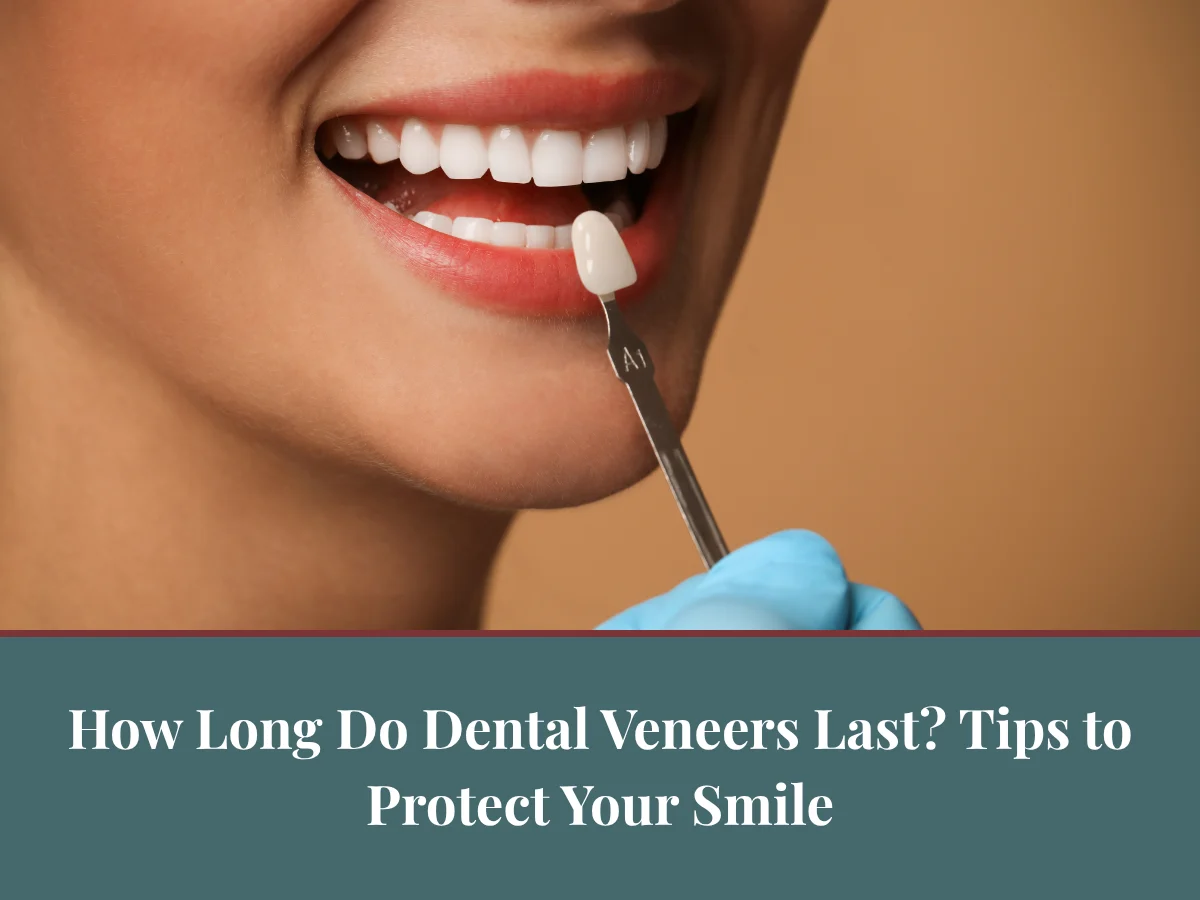
Dental veneers can provide a long-lasting way to improve the appearance of your smile, but like any dental restoration, they are not designed to last forever. Their lifespan depends on several factors, including the material used, your oral hygiene, your bite, and your daily habits.
At Smileworld Family Dental, we help patients understand how to care for veneers so they can protect their investment and maintain a healthy, confident smile for as long as possible.
How Long Do Dental Veneers Usually Last?
The lifespan of dental veneers varies from patient to patient.
Porcelain veneers often last many years when properly cared for, while composite veneers may require repair or replacement sooner.
Your dentist can give you a more personalized estimate based on the type of veneers you have and your oral health.
What Factors Affect How Long Veneers Last?
Several factors can influence the durability of your veneers.
The Type of Veneer
Porcelain and composite veneers are made from different materials and may have different lifespans.
Porcelain veneers are generally more resistant to staining and wear, while composite veneers may be easier to repair if minor damage occurs.
Your Oral Hygiene
Good brushing and flossing habits are essential.
Although veneers themselves cannot develop cavities, the natural tooth underneath and around them can still be affected by decay or gum disease.
Your Bite
If your bite places excessive pressure on certain teeth, veneers may be more likely to chip or wear over time.
Your dentist may evaluate your bite before treatment to reduce unnecessary stress on the restorations.
Teeth Grinding or Clenching
Bruxism can place significant pressure on veneers and natural teeth.
If you grind or clench your teeth at night, your dentist may recommend a nightguard to help protect your restorations.
Diet and Daily Habits
Chewing ice, biting hard candy, or using your teeth to open packages can increase the risk of damaging veneers.
Avoiding these habits can help extend their lifespan.
Can Dental Veneers Chip or Crack?
Yes.
Dental veneers are durable, but they can still chip or crack under excessive force.
Common causes include:
- Biting hard objects
- Teeth grinding
- Sports injuries
- Accidents
- Using teeth as tools
If a veneer becomes damaged, contact your dentist rather than trying to repair it yourself.
Do Dental Veneers Stain Over Time?
Porcelain veneers are generally resistant to staining, but the natural teeth surrounding them can still become discolored.
Composite veneers may be more likely to stain over time.
To help maintain an even-looking smile, limit foods and beverages that commonly cause staining, such as:
- Coffee
- Tea
- Red wine
- Dark-colored sodas
- Tobacco products
Good oral hygiene and regular cleanings can also help maintain the appearance of your smile.
How Should You Care for Dental Veneers?
Caring for veneers is similar to caring for your natural teeth.
Brush Twice a Day
Use a soft-bristled toothbrush and fluoride toothpaste to clean your teeth thoroughly without being overly aggressive.
Floss Daily
Flossing helps remove plaque from between the teeth and along the gumline, including areas around veneers.
Schedule Regular Dental Visits
Routine exams allow your dentist to monitor your veneers, gums, and underlying teeth for early signs of problems.
Avoid Biting Hard Objects
Do not chew ice, pens, fingernails, or other hard objects that could damage the veneer.
Wear a Mouthguard During Sports
If you participate in contact sports, a mouthguard can help protect both your veneers and natural teeth.
Consider a Nightguard
If you grind or clench your teeth, a custom nightguard may reduce stress on your veneers while you sleep.
How Do You Know When a Veneer Needs to Be Replaced?
Veneers may eventually need replacement because of normal wear or changes in your oral health.
Signs that a veneer may need attention include:
- Chipping or cracking
- A loose veneer
- Changes in fit
- Discoloration around the edges
- Gum recession
- Decay in the underlying tooth
- Changes in your bite
If you notice any of these issues, schedule a dental evaluation.
Can a Damaged Veneer Be Repaired?
Sometimes.
Minor damage to composite veneers may be repairable, while significantly damaged porcelain veneers may need to be replaced.
The best treatment depends on the material, the extent of damage, and the condition of the underlying tooth.
Can You Make Veneers Last Longer?
Yes.
You can help extend the lifespan of your veneers by:
- Maintaining excellent oral hygiene
- Attending routine dental visits
- Avoiding hard or damaging habits
- Wearing a nightguard if recommended
- Using a sports mouthguard
- Following your dentist’s care instructions
Consistent preventive care can make a significant difference over time.
Are Veneers a Long-Term Cosmetic Treatment?
For many patients, yes.
Veneers are considered a long-term cosmetic treatment because they are bonded to the teeth and often require some enamel preparation before placement.
While they may eventually need repair or replacement, proper care can help them remain attractive and functional for many years.
Why Choose Smileworld Family Dental for Dental Veneers?
At Smileworld Family Dental, we take a personalized approach to cosmetic dentistry. We consider your oral health, bite, smile goals, and long-term maintenance needs before recommending veneers.
If veneers are right for you, we’ll also provide guidance on how to care for them and protect your smile over time.