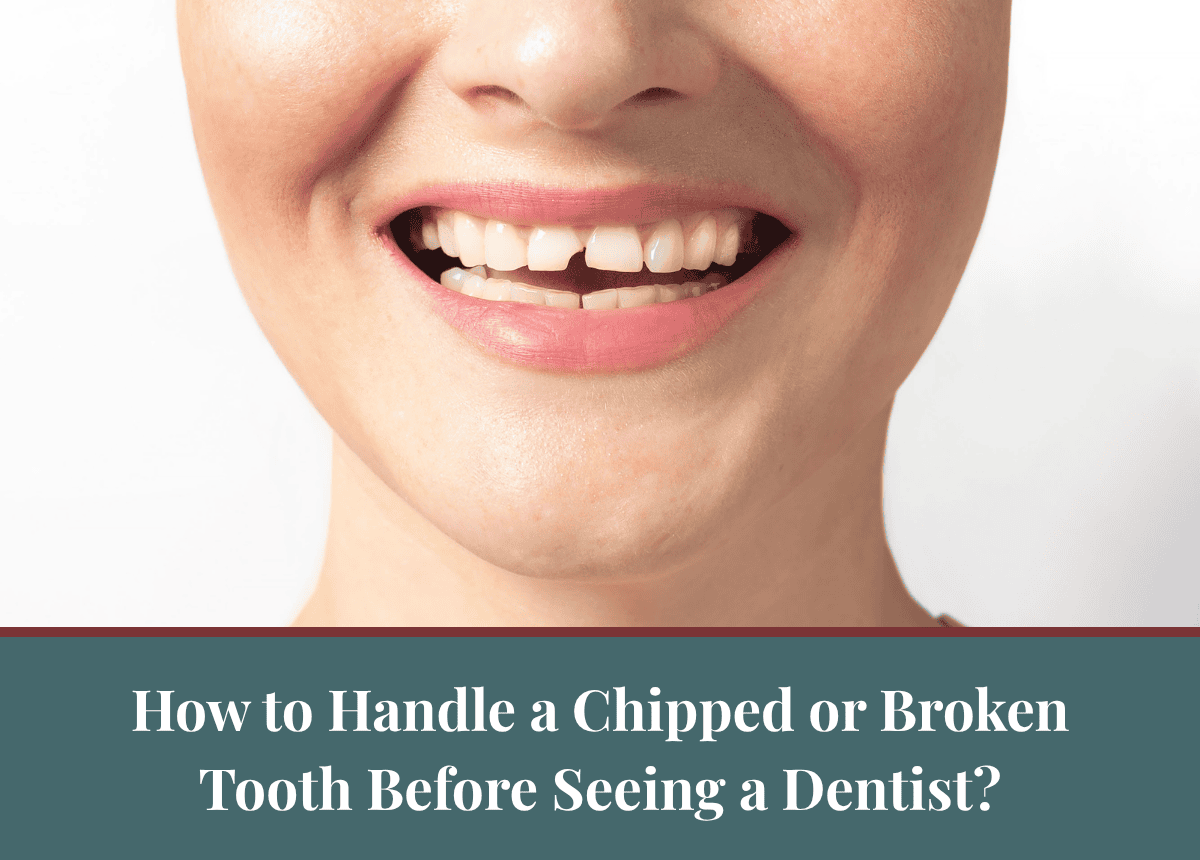
A chipped or broken tooth can happen unexpectedly while eating, playing sports, or after an accident. While some chips may seem minor, others can expose the inner layers of the tooth, cause pain, or increase the risk of infection. Knowing what to do immediately after the injury can help protect your tooth and improve the chances of successful treatment.
At Smileworld Family Dental, we provide prompt emergency dental care to help patients restore damaged teeth and relieve discomfort. If you experience a chipped or broken tooth, taking the right steps before you arrive at the dental office can make a difference.
What Causes a Chipped or Broken Tooth?
Teeth are strong, but they can still become damaged under certain circumstances.
Common causes include:
- Biting hard foods such as ice, hard candy, or popcorn kernels
- Sports-related injuries
- Falls or accidents
- Teeth grinding or clenching (bruxism)
- Car accidents
- Large cavities that weaken the tooth
- Old or failing dental restorations
Understanding the cause can also help prevent future dental injuries.
What Should You Do Right Away?
If you chip or break a tooth, try to stay calm and assess the damage.
Rinse Your Mouth
Gently rinse your mouth with warm water to remove debris and help keep the area clean.
If the injury caused bleeding, applying gentle pressure with clean gauze can help control it.
Save Any Broken Pieces
If possible, collect any broken pieces of your tooth.
Place them in a clean container or milk and bring them to your dental appointment. While not every fragment can be reattached, your dentist will determine whether it may be useful during treatment.
Reduce Swelling
If your cheek or jaw begins to swell, place a cold compress on the outside of your face for about 15 to 20 minutes at a time.
This may help minimize swelling and provide temporary comfort.
Protect the Tooth
If the broken tooth has a sharp edge, you may be able to cover it temporarily with dental wax, which is available at many pharmacies.
Avoid touching the damaged area unnecessarily to prevent further irritation.
What Should You Avoid?
Until you’re able to see your dentist, try to avoid activities that could worsen the injury.
It’s generally best to avoid:
- Chewing on the injured side of your mouth
- Hard, crunchy, or sticky foods
- Extremely hot or cold foods if the tooth is sensitive
- Using the damaged tooth to bite into food
- Attempting to glue or repair the tooth yourself
These precautions may help reduce discomfort and prevent additional damage.
When Is a Chipped Tooth a Dental Emergency?
Not every chipped tooth requires immediate emergency treatment, but some situations should be evaluated as soon as possible.
Contact your dentist promptly if you experience:
- Severe tooth pain
- Bleeding that doesn’t stop
- Significant swelling
- A large portion of the tooth has broken off
- A loose tooth
- Sharp edges causing injury to your tongue or cheeks
- Signs of infection, such as swelling or fever
Seeking timely care can help prevent complications and improve treatment outcomes.
How Can a Dentist Treat a Chipped or Broken Tooth?
The recommended treatment depends on the extent of the damage.
After examining your tooth, your dentist may recommend one or more of the following:
Dental Bonding
Small chips can often be repaired using tooth-colored composite resin that blends naturally with your smile.
Dental Veneers
If a front tooth has cosmetic damage, a veneer may be recommended to restore its appearance.
Dental Crowns
Larger fractures may require a dental crown to strengthen and protect the remaining tooth structure.
Root Canal Therapy
If the break exposes or damages the tooth’s pulp, root canal treatment may be necessary to preserve the tooth.
Your dentist will recommend the treatment that best restores both the function and appearance of your smile.
Can a Chipped Tooth Heal on Its Own?
Unlike bones, teeth cannot repair themselves once damaged.
Even if the tooth doesn’t hurt, it’s important to have it examined by a dentist. Small chips can sometimes worsen over time or allow bacteria to enter the tooth, increasing the risk of decay or infection.
Early treatment often helps preserve more of your natural tooth structure.
How Can You Prevent Chipped or Broken Teeth?
While accidents can’t always be avoided, there are several ways to reduce your risk of dental injuries.
You can help protect your teeth by:
- Wearing a mouthguard during sports and recreational activities
- Avoiding chewing ice and other hard objects
- Not using your teeth to open packages
- Wearing a nightguard if you grind your teeth
- Maintaining regular dental checkups to identify weakened teeth early
Good preventive habits help keep your teeth healthy and strong.
Why Choose Smileworld Family Dental for Emergency Dental Care?
At Smileworld Family Dental, we understand that dental emergencies can happen without warning. Our team provides compassionate, personalized care to evaluate damaged teeth and recommend treatment based on your individual needs.
Whether you’ve chipped a tooth during sports, while eating, or because of an accident, we’re here to help restore your smile and protect your long-term oral health.