Gum disease can develop gradually, and in its early stages, the symptoms may be easy to overlook. You may notice slight bleeding when brushing, mild gum tenderness, or persistent bad breath and assume it is nothing serious.
However, recognizing the early signs of gum disease can help you seek treatment before the condition progresses.
At Smileworld Family Dental, we help patients maintain healthy gums through preventive care, professional cleanings, and personalized treatment recommendations.
What Is Gum Disease?
Gum disease, also known as periodontal disease, is an infection and inflammation of the tissues that support your teeth.
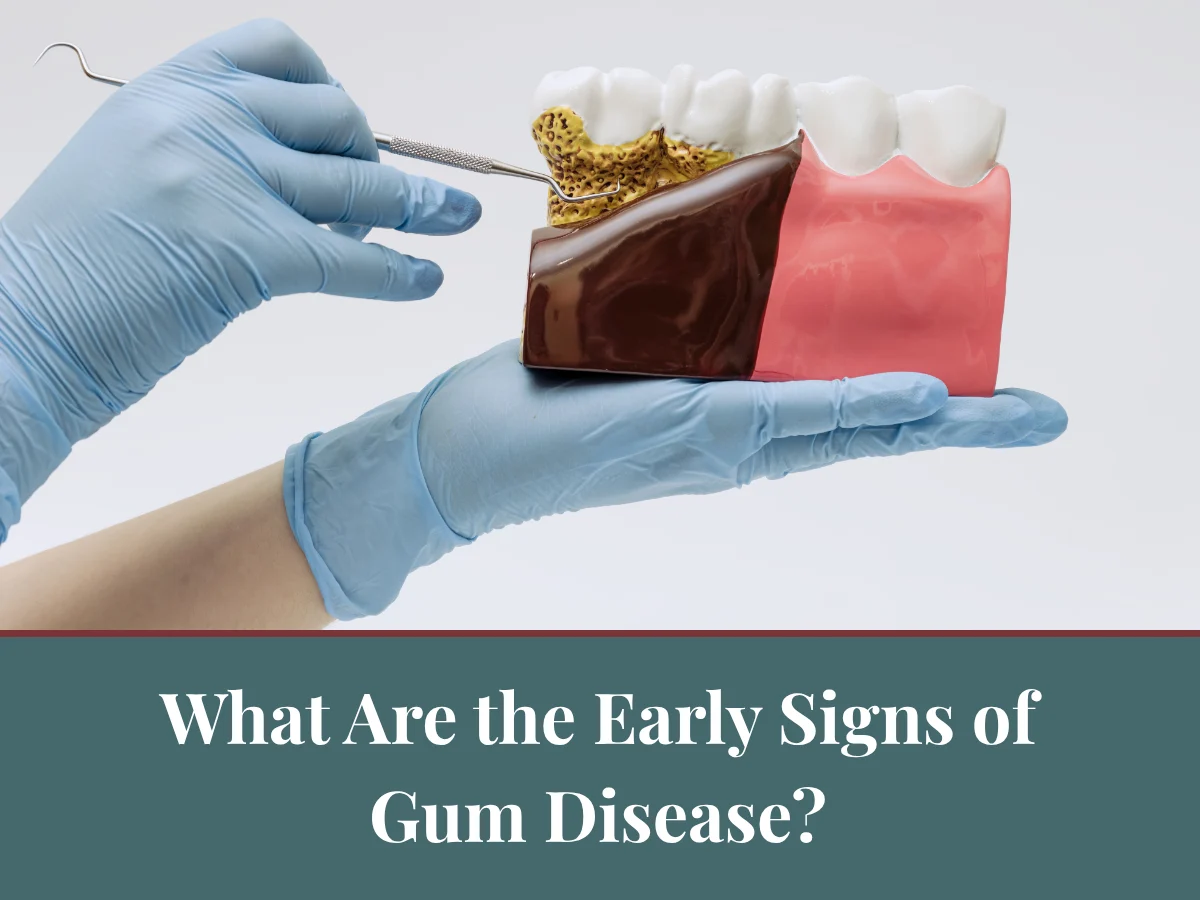
It often begins with plaque buildup along the gumline. If plaque is not removed through brushing, flossing, and professional cleanings, it can harden into tartar and irritate the gums.
The earliest stage of gum disease is called gingivitis.
If left untreated, gingivitis can progress into periodontitis, a more advanced form of gum disease that can damage the tissues and bone supporting the teeth.
What Are the Early Signs of Gum Disease?
Early symptoms are often mild, which is why regular dental exams are important.
Common signs may include:
- Bleeding gums
- Red or swollen gums
- Gum tenderness
- Persistent bad breath
- Gum recession
- Increased tooth sensitivity
- Changes in the way your gums look or feel
Not everyone experiences the same symptoms, and gum disease can sometimes develop without obvious discomfort.
Why Do My Gums Bleed When I Brush?
Bleeding gums are one of the most common early signs of gingivitis.
When plaque accumulates along the gumline, the gums may become inflamed and more likely to bleed during brushing or flossing.
Occasional bleeding may also occur if you brush too aggressively or begin flossing after not doing so regularly.
However, frequent or persistent bleeding should be evaluated by a dentist.
Are Red or Swollen Gums a Sign of Gum Disease?
Healthy gums are generally firm and fit closely around the teeth.
Inflamed gums may appear:
- Redder than usual
- Puffy
- Swollen
- Shiny
- Tender
These changes may indicate that plaque and bacteria are irritating the gum tissue.
Can Bad Breath Be Related to Gum Disease?
Yes.
Persistent bad breath can sometimes be associated with plaque and bacteria accumulating around the teeth and gums.
While bad breath can have many causes, ongoing odor that does not improve with brushing, flossing, or mouth rinsing may be worth discussing with your dentist.
Is Gum Recession an Early Sign?
Gum recession occurs when the gum tissue pulls away from the teeth, making the teeth appear longer or exposing part of the root.
Recession can be related to gum disease, although other factors such as aggressive brushing and teeth grinding may also contribute.
Exposed tooth roots may also increase sensitivity to hot and cold temperatures.
Does Gum Disease Cause Pain?
Not always.
One reason gum disease can progress without being noticed is that it may not cause significant pain in its early stages.
You may only notice:
- Mild tenderness
- Bleeding
- Swelling
- Changes in gum color
More advanced gum disease can eventually lead to discomfort, loose teeth, gum recession, and other complications.
What Causes Gum Disease?
The primary cause of gum disease is plaque buildup.
However, several factors can increase your risk, including:
- Poor oral hygiene
- Tobacco use
- Dry mouth
- Certain medications
- Diabetes
- Hormonal changes
- Genetics
- Crowded teeth that are difficult to clean
- Irregular dental visits
Your dentist can help identify individual risk factors and recommend preventive care.
Can Gum Disease Be Reversed?
The earliest stage, gingivitis, can often be managed and improved with professional dental care and better oral hygiene.
Once gum disease progresses to periodontitis, the damage to the supporting tissues and bone cannot simply be reversed, but treatment can help control the condition and prevent further progression.
This is why early detection is so important.
How Is Early Gum Disease Treated?
Treatment depends on the severity of the condition.
For mild gingivitis, your dentist may recommend:
- Professional dental cleaning
- Improved brushing techniques
- Daily flossing
- Antibacterial oral care products when appropriate
- More frequent dental visits
If gum disease has progressed, additional periodontal treatment may be needed.
How Can You Prevent Gum Disease?
Consistent oral hygiene and preventive dental care can significantly reduce your risk.
Brush Twice a Day
Brush gently along the gumline using fluoride toothpaste and a soft-bristled toothbrush.
Floss Every Day
Flossing removes plaque from between the teeth and beneath the gumline where toothbrush bristles may not reach.
Schedule Professional Cleanings
Regular cleanings remove hardened tartar that cannot be removed with brushing alone.
Avoid Tobacco Products
Smoking and other tobacco use can increase the risk and severity of gum disease.
Maintain a Healthy Diet
A balanced diet supports overall oral health and can help your body maintain healthy gum tissue.
When Should You See a Dentist About Your Gums?
Schedule a dental evaluation if you notice:
- Frequent gum bleeding
- Persistent swelling
- Gum recession
- Ongoing bad breath
- Loose teeth
- Pus around the gumline
- Changes in your bite
You should also continue regular dental exams even if you do not notice symptoms, since early gum disease can sometimes be difficult to detect at home.
Why Choose Smileworld Family Dental for Gum Health?
At Smileworld Family Dental, we focus on helping patients maintain healthy teeth and gums through preventive and personalized care.
Our team can evaluate your gums, identify early signs of inflammation or periodontal problems, and recommend appropriate treatment based on your oral health needs.
Routine exams and professional cleanings can help catch gum problems early and support a healthier smile over the long term.